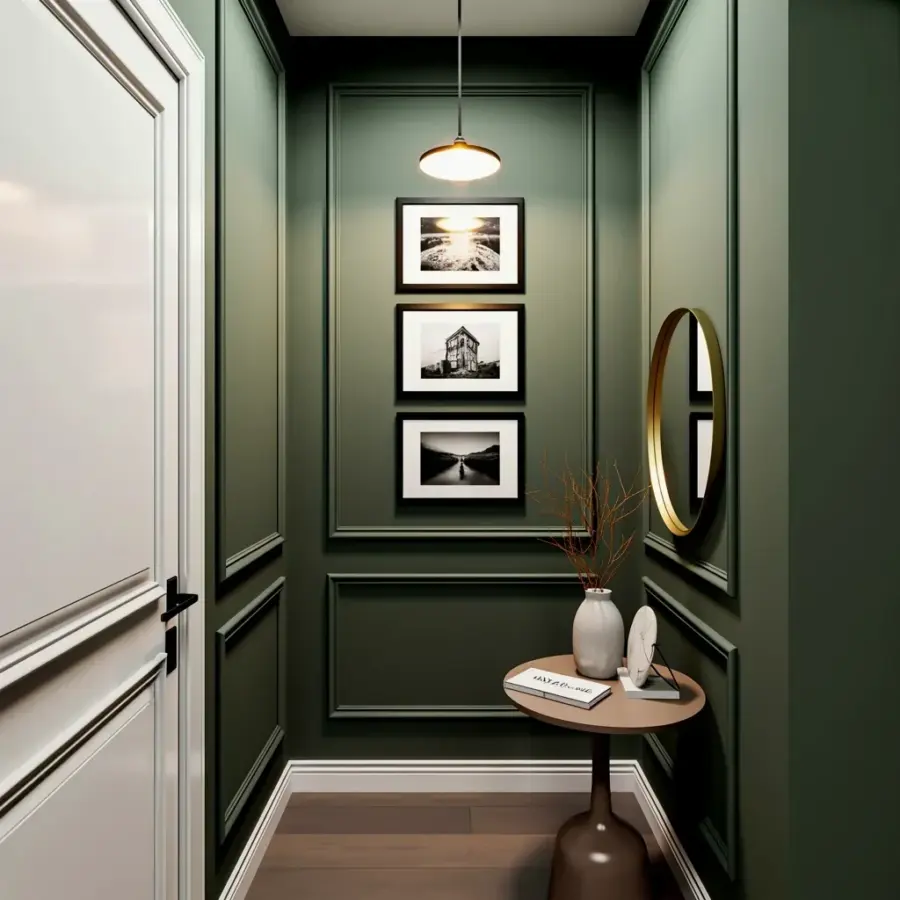
You are standing in your tiny entryway, phone in hand, typing “entryway ideas” into a search bar for the third time this month. I get it. That awkward sliver of space between your front door and the rest of your home is a magnet for clutter, old shoes, and questionable decor choices. But here’s the thing: a lot of what we think makes a small entryway feel cozy is actually committing designcrimes that make the space feel smaller, darker, and way more dated than you realize.
I held onto one of these trends for years. It was a wicker basket overflowing with blankets that I never used, sitting right next to the door. It looked warm and inviting in a Pinterest photo, but in reality, it just collected dust and dog hair. Designers cringe at a few of those “cozy” choices, and honestly, they are right to. Redoing a small entryway doesn’t require a full remodel. Skipping these common decorating mistakes and swapping in a few easy fixes can completely change how your home feels, usually for free.
## Why the Overstuffed Entryway Bench Needs to Go
We all want a place to sit and take off our boots, and a sturdy bench seems like the perfect entryway furniture. But in a small space, a big wooden bench with a huge cushion swallows the floor plan. It becomes the only thing you see when you walk in, and it traps shoes and bags underneath in a pile that defies organization.
Look, if you have the square footage, a beautiful bench is lovely. But if you are working with a narrow hallway or a tiny foyer, the bench is likely a designcrime. Instead, try a single slim stool that you can tuck away when guests come over. Or, go vertical. I mounted a small fold-down shelf on the wall that serves the same purpose without taking up precious floor space. It works just fine for perching for a second to tie a shoe, and it looks way less bulky.
The real issue is that we think we need a landing zone for everything. The coat, the bag, the mail, the keys, the dog leash. A huge bench invites you to pile all of that stuff up in one visible spot. A slim console table or even a simple wall hook rail forces you to be more intentional, which is exactly what a small space needs.
## Getting Rid of the Black Hole Entryway Rug
I know you bought that dark, high-pile runner because it hides dirt. I have made that exact mistake myself. But in a small entryway, a dark, fuzzy rug just absorbs what little natural light you have and turns the whole area into a gloomy cave. It also catches the bottom of the door, which is just annoying.
Designers are over the muddy, brown, or charcoal runner that looks like a swamp. For a small entryway, you actually want a rug with a pattern or a lighter color to bounce light around. Wait, don’t panic. You don’t need a white rug that shows every speck of dirt. Look for a low-pile indoor outdoor rug with a busy pattern. It hides the dirt, but it feels fresh and intentional. Here are a few quick swaps for entryway ideas:
– Use a flat-woven cotton rug that you can toss in the washing machine.
– Try a vintage-style thin runner with a colorful border.
– Layer two small rugs instead of one big one for depth.
– Skip the rug entirely and paint a fun pattern on the floor.
## The Classic Coat Rack Overflow and How to Fix It
The freestanding coat rack is a staple, but it is also a classic decorating mistake. You buy one with four hooks thinking it is plenty, and within a month it is leaning sideways under the weight of coats, scarves, and those reusable grocery bags you swear you will remember later. It becomes an eyesore that screams “cluttered” the second you open the front door.
People think a coat rack is good for a small entryway because it doesn’t take up much floor space. But the visual noise it creates is huge. All those hanging items just make the area feel chaotic. The fix is to use a wall-mounted rail with a shelf above it. Put the shelf up high for baskets and hats, and use the rail for the few coats you actually wear daily.
If you absolutely cannot live without your coat rack, edit it down. Leave only two items on it at a time. That forces you to actually put the rest of your clothes in the closet, which is the whole point. Designcrimes happen when we let a functional piece turn into a dumping ground.
## Why That Single Statement Mirror Is a Designcrime in a Hallway
Mirrors are the go-to suggestion for small entryways because they make a space feel bigger. I am not here to argue with that; it is true. However, the “one tiny round mirror” approach is not the magic bullet everyone thinks it is. A tiny mirror hanging high on the wall next to the door just shows you the top of your head and reflects a blank stretch of wall. It adds nothing.
If you want the mirror to work, it has to be properly scaled. A giant mirror leaning on the floor or taking up a huge portion of the wall will actually double your space. But there is a catch. If the mirror is facing the front door, it reflects all the mail, clutter, and shoes right back at you the moment you walk in. You are just doubling the visual mess.
So, the better trick for a small entryway is to put a slim mirror perpendicular to the door. That way it reflects the room, not the pile of junk. Honestly, the best fix for a mirror is to simply not have clutter to reflect. But since that is a daily battle, the angle matters more than the size. I ended up moving my mirror to a spot where it shows the door to the living room, which makes the hallway feel twice as wide.
## Small Entryway Lighting That Actually Feels Cozy
We love the idea of cozy lighting, so we buy a cheap, dim table lamp and put it on the entryway console. It gives off that warm glow, but it also creates a weird half-light that makes the space feel like a haunted hallway. You cannot see the lock, you cannot find your keys, and the shadows make the ceiling feel lower.
Designers are over the “dusk mode” lighting in a high-traffic area. You need light that is soft but functional. The real fix is to install a flush-mount ceiling light with warm bulbs, or use a wall sconce that points down. This removes the shadows and makes the entryway feel open, not like a cave. This is probably the easiest fix to make a space feel bigger without moving a single piece of furniture.
Think about the phrase “cozy fix” for a second. Cozy doesn’t mean dark and dingy. It means feeling safe and contained. That comes from having a well-lit path and a clear sense of place. A dim lamp on the floor is not a design choice; it is a tripping hazard. I swapped my lamp for a simple plug-in sconce from the hardware store, and it changed the whole mood of my front hall.
## The Mail and Keys Clutter Trap That Never Gets Solved
This is less about the furniture and more about the habit, but it is the biggest designcrime I see in small entryways anywhere. That cute little catch-all bowl fills up with receipts, loose change, and broken sunglasses in a week. Then, to “organize” it, you buy more trays, more baskets, and more hooks. Now you have a whole system of clutter.
Start over. Remove everything from the entryway that doesn’t belong there. I mean everything. Then, put down only one thing: a single dish for keys. Not a bowl for keys, a dish. Small, shallow, and hard to fill with junk. If mail is a constant issue, do not have a mail station in the entryway. Walk the mail to a basket in the office, or throw it away right there at the front door. That extra two seconds of walking saves you from looking at a mountain of paper every single day.
One mildly odd habit I started: I put my car keys on a hook inside the coat closet, not in the entryway. It was a small rebellion against the idea that every flat surface needs to hold something. And guess what? I stopped losing my keys because they were always in one place, just not the obvious place. It forces you to open the closet door for a second, which also gives you a chance to actually hang up your coat.
## Making a Narrow Entryway Feel Wider Without Moving Walls
So you have tried every layout, and the hallway is still just genuinely narrow. We have all been there. This is where the small entryway ideas come down to visual tricks that fool the eye. Painting the walls a darker color, contrary to popular belief, can actually make a narrow hall feel longer and more substantial. It adds depth instead of flattening it out.
You can also use horizontal stripes on the wall, which sounds bold but works wonders. It makes ceilings feel higher and walls feel wider. Another trick is to take the door trim and picture frames and paint them all the same color as the wall. This removes visual interruptions, so your eye flows down the hallway without stopping. It creates a continuous line that feels more expansive.
Here’s the real change: stop trying to make it look like a traditional entryway. Your space might just be a transition zone. Embrace that. A narrow console with slim legs, a mirror that takes up the majority of the wall, and nothing on the floor is a recipe for feeling bigger. The moment you stop forcing a large bench or a bulky cabinet into the space, the whole area breathes.
## Final Thoughts on Your Entryway Refresh
Clearing out the designcrimes in your small entryway isn’t about following a strict rule book, it’s about noticing what actually works for your daily routine. It is about walking through the front door and feeling relieved, not annoyed. Look at your entryway tonight. Take a photo of it, print it out, and look at the picture with fresh eyes.
The cozy fixes are rarely about buying more stuff. They are about removing the bulky things, editing the clutter, and changing the light. Try one tip this weekend. Move the bench, swap the rug, or just clear off the catch-all bowl. You might find the space feels bigger before you even spend a dollar. What designcrime are you guilty of keeping around for way too long? I bet you know exactly which one it is.
Leave a Comment